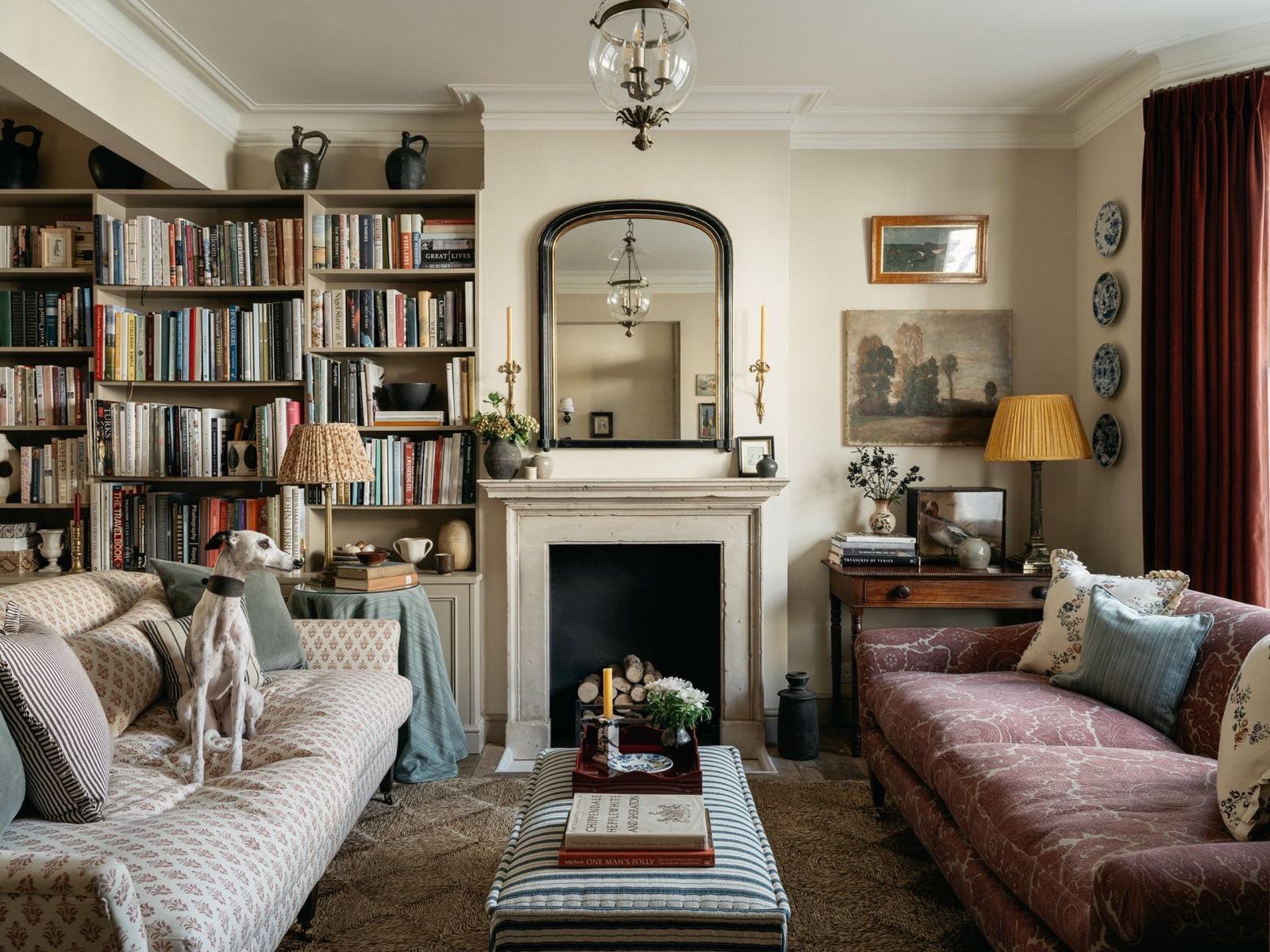
Victorian Terrace Renovation Costs in London: 2026 Guide
Updated 12 June 2026|10 min read
Renovating a Victorian terrace in London costs £800–£3,500 per square metre in 2026, which puts a typical 110–130 square metre terrace at £130,000–£230,000 for a thorough mid-range renovation and £250,000–£450,000 for premium, period-sensitive work. Victorian houses cost more than their floor area suggests because of what hides behind the plaster: old wiring, lead pipes, solid walls and ceilings on their last legs. This guide prices each stage honestly.
What does a Victorian terrace renovation cost in 2026?
We use the same per-square-metre framework for Victorian terraces as for any London refurbishment, with one caveat: Victorian houses rarely qualify for the light tier. By the time a terrace needs renovating, it usually needs services, plaster and windows addressed together, which pushes most projects into mid-range or above.
Light work at £800–£1,200 per square metre suits a terrace renovated within the last couple of decades that needs redecoration and a refresh. Mid-range at £1,200–£1,800 per square metre covers the classic whole-house job: rewire, replumb, replaster, new kitchen and bathrooms, and repairs to floors and windows. Premium at £2,000–£2,800 adds structural reconfiguration, full period feature restoration and high-end finishes. Prime work at £2,800–£3,500 is the conservation-grade standard expected in the best squares and terraces of central London.
The table shows what that means for common terrace sizes at the mid-range tier, where most of our Victorian projects sit.
Terrace size
Mid-range renovation (£1,200–£1,800/sqm)
Premium (£2,000–£2,800/sqm)
90 sqm (2-bed)
£108,000 – £162,000
£180,000 – £252,000
110 sqm (3-bed)
£132,000 – £198,000
£220,000 – £308,000
130 sqm (4-bed)
£156,000 – £234,000
£260,000 – £364,000
160 sqm (large/extended)
£192,000 – £288,000
£320,000 – £448,000
The Victorian problems that drive renovation costs
Victorian terraces share a construction method, so they share failure points, and a renovation budget that ignores them is fiction.
Lath-and-plaster ceilings are original in many terraces and are now 120–150 years old. The plaster keys that hold them to the laths fail with age and vibration; ceilings that look fine can be hanging by habit. Budget to replace or overboard most of them.
Solid brick walls with no cavity mean two things: damp travels through them differently from modern walls, and they need breathable treatment. Cement renders and modern plastics trap moisture in solid walls, which is how well-meaning previous works often cause the damp they were meant to cure.
Original floor joists are usually sound in the middle and rotten at the ends, where they sit in damp brickwork, particularly under bathrooms and at ground level near blocked subfloor vents.
Finally, services: pre-1970s wiring, lead incoming mains and lead internal pipework all need replacing on safety grounds alone. None of this should frighten you off a Victorian house. It should simply appear, priced, in your budget from the start.
Cost per stage: rewiring, replumbing and replastering
The unglamorous trades absorb the first slice of any Victorian renovation budget, and they are the worst place to economise because everything else sits on top of them.
A full rewire of a three-bed Victorian terrace, including a new consumer unit, sockets, lighting circuits and certification, costs £8,000–£15,000 in London. Victorian houses cost more to rewire than modern ones because chasing cables into solid walls and fishing them through lath-and-plaster is slow work.
Replumbing, including replacing lead pipework, a new boiler, radiators and hot water system, runs £10,000–£18,000 depending on the heating design. Replacing the lead incoming main adds £1,500–£4,000 depending on the run.
Replastering is where Victorian terraces diverge most from estimates. Skimming sound walls is cheap; hacking off blown plaster, treating solid walls with appropriate breathable systems and reboarding ceilings is not. Whole-house replastering runs £12,000–£25,000.
The table summarises 2026 London ranges for a typical three-bed terrace.
Stage
Typical London cost (3-bed terrace, 2026)
Full rewire
£8,000 – £15,000
Full replumb and new heating
£10,000 – £18,000
Whole-house replastering
£12,000 – £25,000
Lead main replacement
£1,500 – £4,000
Damp treatment (breathable systems)
£2,000 – £8,000
Sash windows: restore or replace?
Few decisions split opinion on a Victorian renovation like the windows, so here are the numbers without the sales pitch.
Restoring an original timber sash, including overhauling the pulleys and cords, splicing in new timber where rot has taken hold, draught-proofing and redecorating, costs £600–£1,500 per window in London. Adding slimline double glazing into the original frames raises that to £1,100–£2,200 per window.
Replacing with new timber double-glazed sashes costs £1,800–£3,500 per window fitted, and quality matters enormously; cheap replacements look wrong from the street and devalue a period house. uPVC is cheaper still but is prohibited in most conservation areas and, in our view, a false economy on a Victorian facade.
Our general advice: restore where the timber is sound, which it usually is, because Victorian joinery used slow-grown timber that outlasts most modern equivalents. A typical terrace with ten windows budgets £8,000–£18,000 for full restoration with draught-proofing, against £20,000–£35,000 for wholesale replacement. Restoration is also the only option that needs no permission in conservation areas, which brings us to the next section.
Conservation areas and listed buildings: what changes
A large share of London's Victorian terraces sit in conservation areas, and a smaller number are listed, and the difference matters enormously for cost and programme.
In a conservation area, the constraints are mostly external: window styles, front doors, roof materials, front boundary walls and anything visible from the street. Internal renovation proceeds as normal, but external choices narrow to period-appropriate options, which cost more than off-the-shelf alternatives. Many conservation areas also carry Article 4 directions removing permitted development rights, so check with the borough before assuming anything.
Listed buildings are a different regime entirely. Listed building consent is required even for internal work: removing a wall, replacing plaster, altering joinery, sometimes even redecoration in significant interiors. Working without consent is a criminal offence, not a planning irregularity. Consent applications add £2,000–£6,000 in heritage consultant and drawing fees and two to four months to the programme.
In both cases, original features carry weight. Cornices, ceiling roses, fireplaces, encaustic floor tiles and original joinery should be preserved and restored, not skipped over; on listed buildings you have no choice, and in conservation areas the market rewards it anyway.
What period feature restoration actually costs
Restoring period features is skilled, slow work, and it is priced accordingly, but it is also where a Victorian renovation earns its premium over a generic refit.
Running new cornice to match existing profiles costs £90–£180 per linear metre fitted; repairing original cornice in situ costs less but needs a genuine fibrous plaster specialist. Ceiling roses run £150–£500 restored or matched. Stripping and restoring an original cast iron fireplace costs £400–£1,200 per fireplace, while sourcing and fitting a reclaimed period surround runs £800–£2,500.
Original encaustic or geometric floor tiles in hallways are worth heroic efforts to save: cleaning and repairing an original path or hallway floor costs £600–£2,000, against £2,500–£6,000 to lay a new reproduction floor. Stripping paint from original joinery, doors, architraves and staircases is labour-intensive at £300–£700 per door or £2,000–£5,000 for a staircase.
Across a whole terrace, a sensible period restoration allowance is £10,000–£30,000 depending on how much survives. Our surveyors photograph and schedule every original feature at the first visit, so restoration is costed deliberately rather than discovered as an extra.
Realistic whole-house budgets for a Victorian terrace
Pulling the stages together, here is what complete Victorian terrace renovations genuinely cost in London in 2026.
A 110 square metre three-bed terrace, renovated to a good mid-range standard with full rewire, replumb, replaster, new kitchen, two bathrooms, restored sash windows and redecoration throughout, lands at £132,000–£198,000, sitting within the £1,200–£1,800 per square metre band. The same house taken to a premium, period-faithful standard, with feature restoration, high-end kitchen and bathrooms and bespoke joinery, runs £220,000–£308,000.
Add extensions separately: a rear or side-return extension adds £2,500–£4,000 per square metre on top, and a loft conversion £55,000–£95,000.
On top of construction, allow 10–15% contingency, which on Victorian stock is not optional; party walls, asbestos in later additions and joist surprises are routine. Allow also for professional fees, party wall surveyors at £1,000–£2,000 per neighbour (and a terrace has two), and VAT.
At London Refurbishments we specialise in exactly this housing stock, and the honest message is this: budget for the building you have, not the building you hope it is, and a Victorian terrace will reward every pound.
Frequently Asked Questions
How much does it cost to renovate a Victorian terrace in London?
At 2026 prices, a 110 square metre Victorian terrace costs £132,000–£198,000 for a full mid-range renovation (£1,200–£1,800 per square metre) and £220,000–£308,000 for premium period-sensitive work. Light refurbishment starts around £88,000–£132,000.
How much does it cost to rewire a Victorian house?
A full rewire of a three-bed Victorian terrace costs £8,000–£15,000 in London, including a new consumer unit and certification. Solid walls and lath-and-plaster ceilings make Victorian rewires 20–30% dearer than equivalent modern houses.
Should I restore or replace original sash windows?
Restore where the timber is sound. Restoration with draught-proofing costs £600–£1,500 per window, against £1,800–£3,500 for a quality timber double-glazed replacement. Across ten windows that is £8,000–£18,000 restored versus £20,000–£35,000 replaced, and restoration needs no consent in conservation areas.
Do I need consent for internal work on a listed Victorian house?
Yes. Listed building consent is required even for internal alterations such as removing walls or replacing historic plaster, and working without it is a criminal offence. Budget £2,000–£6,000 for heritage consultant and drawing fees and two to four months for consent.
What contingency should I hold on a Victorian renovation?
Hold 10–15% of the construction sum. On a £160,000 project that is £16,000–£24,000, covering the routine Victorian surprises: rotten joist ends (£1,500–£8,000), asbestos in later additions (£1,000–£5,000) and party wall fees of £1,000–£2,000 per adjoining neighbour.